AUSTIN, TEXAS · INDEPENDENT R&D · EST. 2025

This is the work.

Sanchez Performance is not a studio. It's not a consultancy. It's a working R&D shop building things that don't exist yet and documenting every failure along the way. The products come from here. So does everything else.

Open the project index →
Past

What got built. What broke. What that taught us.

File 01 · Past

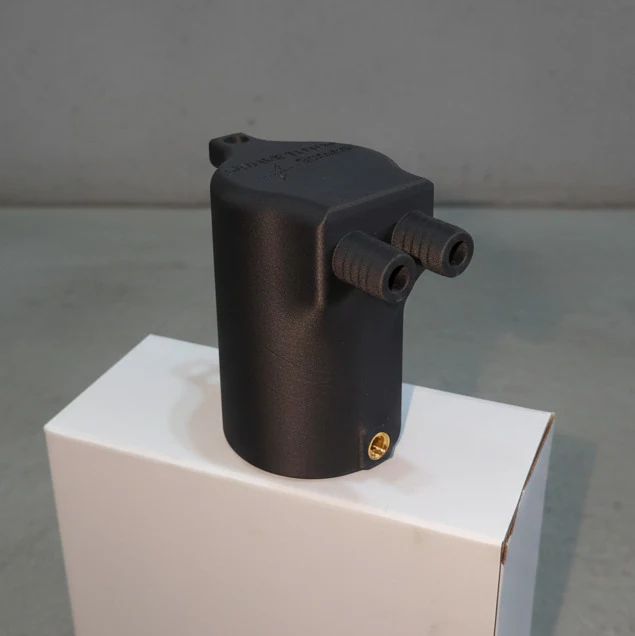
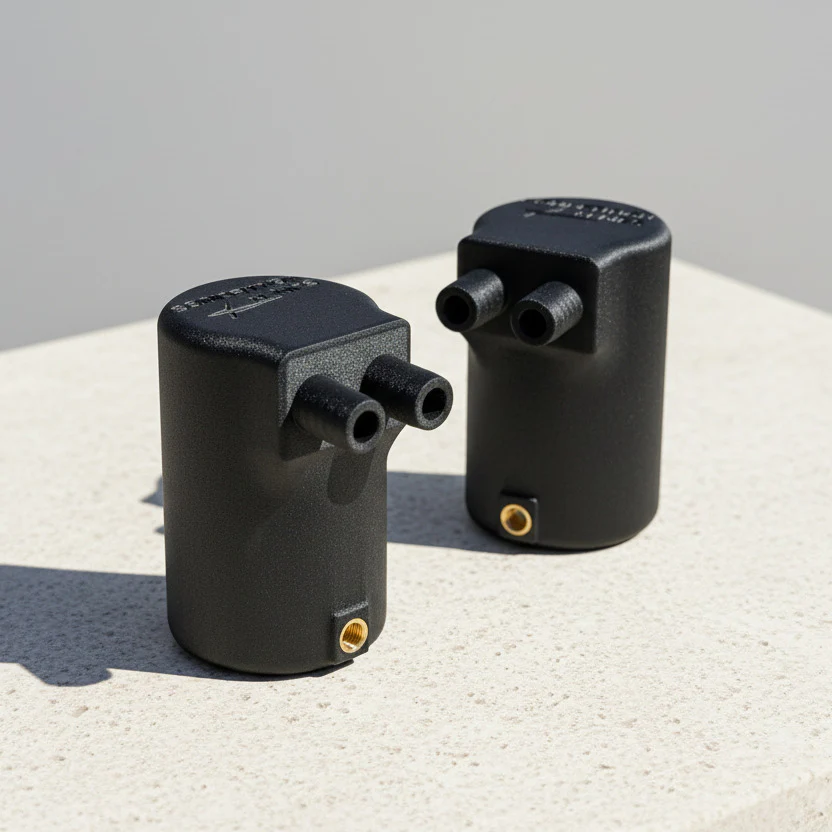
Started as a vacuum-holding problem nobody had solved in PA12 CF at this geometry. Third generation failed on infill. The failure forced the breakthrough — overextrusion sealing, microporosity elimination, print-in-place barb geometry. Five hardware generations. Rev 5 ships; Rev 6 is in road testing and replaces Rev 5 at the same price.
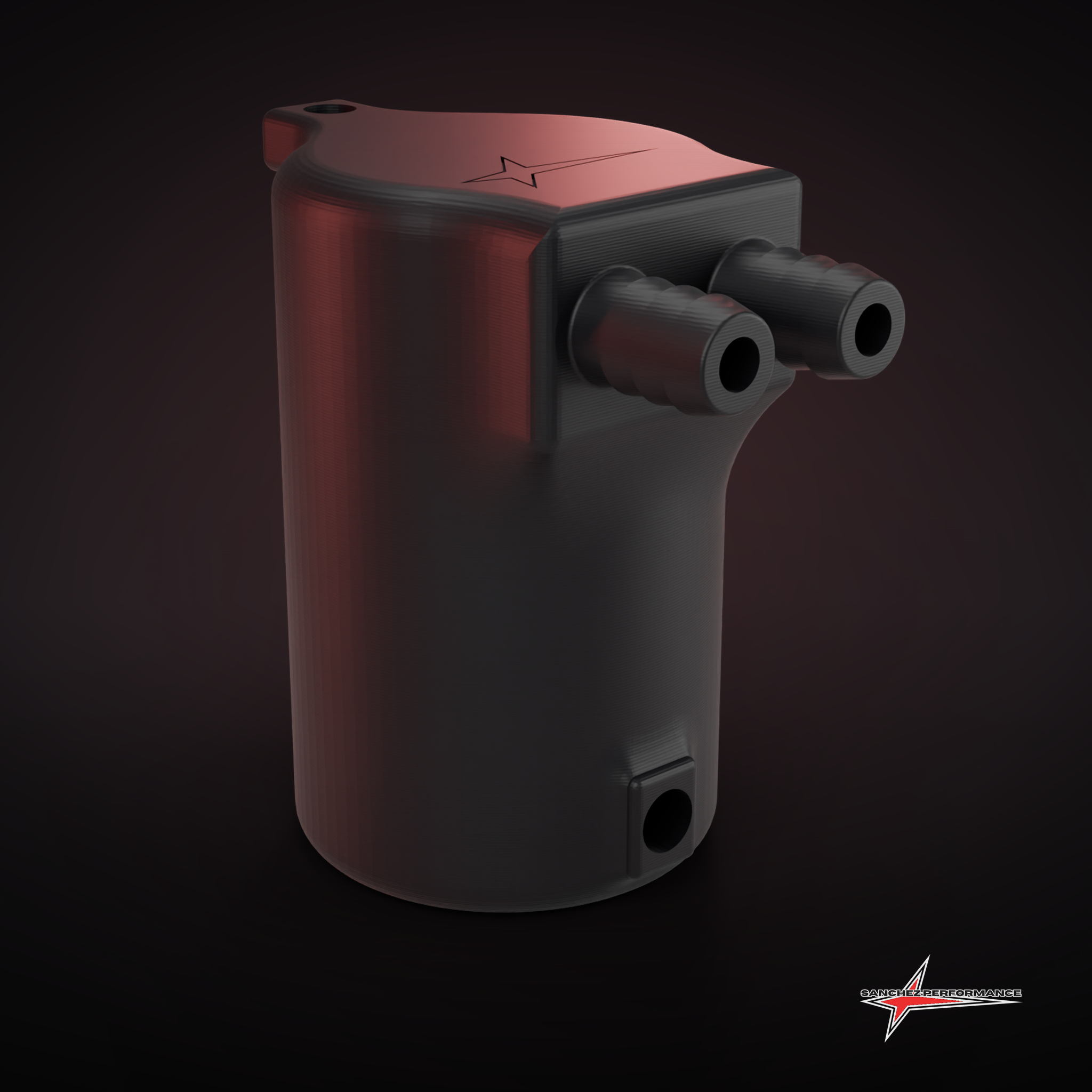
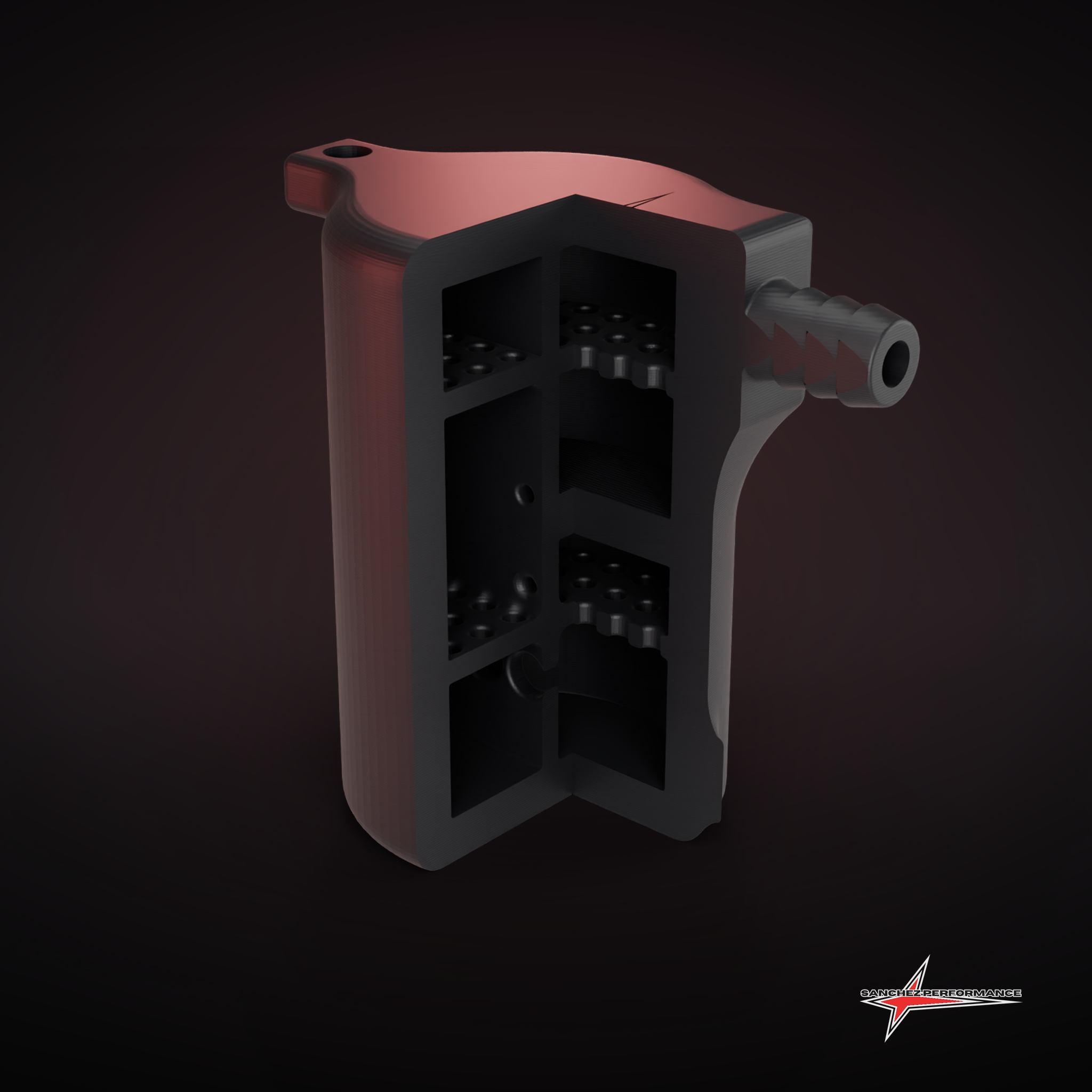
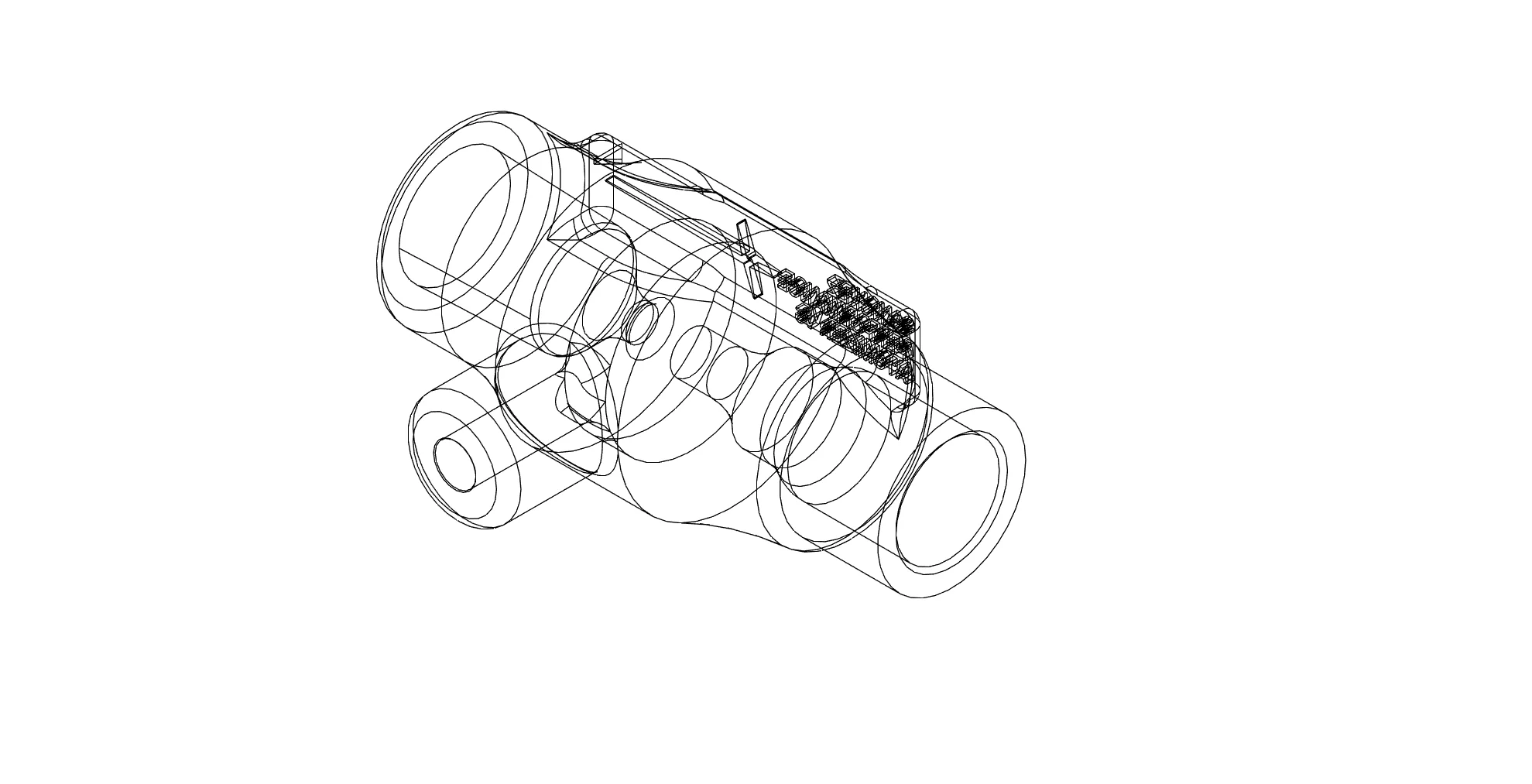
PRESION catch can render PRESION quarter cutaway — internal baffling PRESION exterior — hose barbs and brass drain port PRESION fourth-generation prototype

File 02 · Past

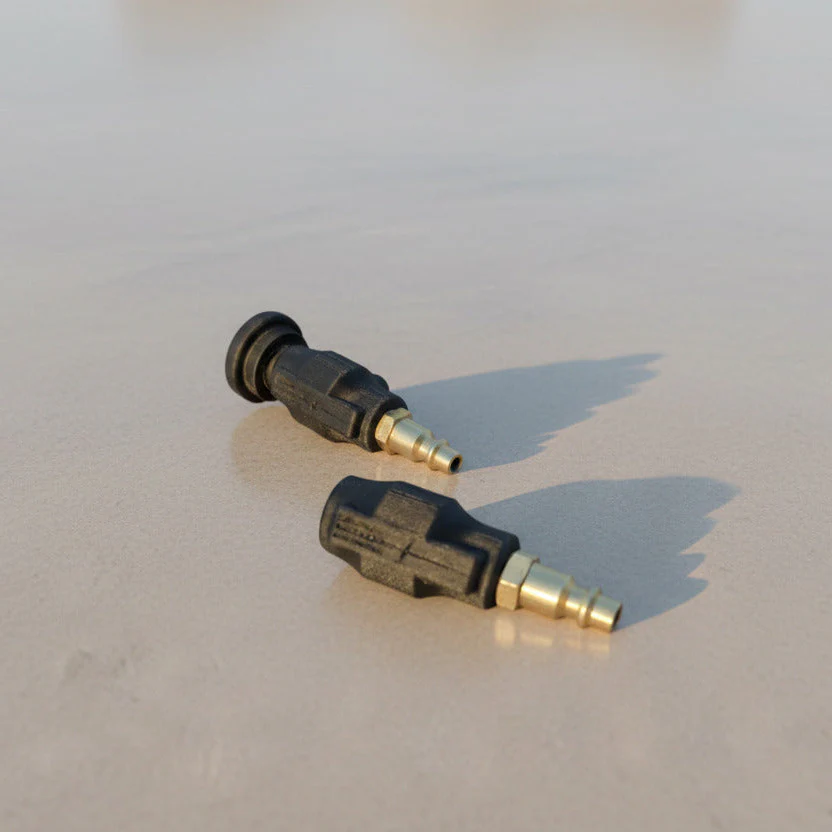
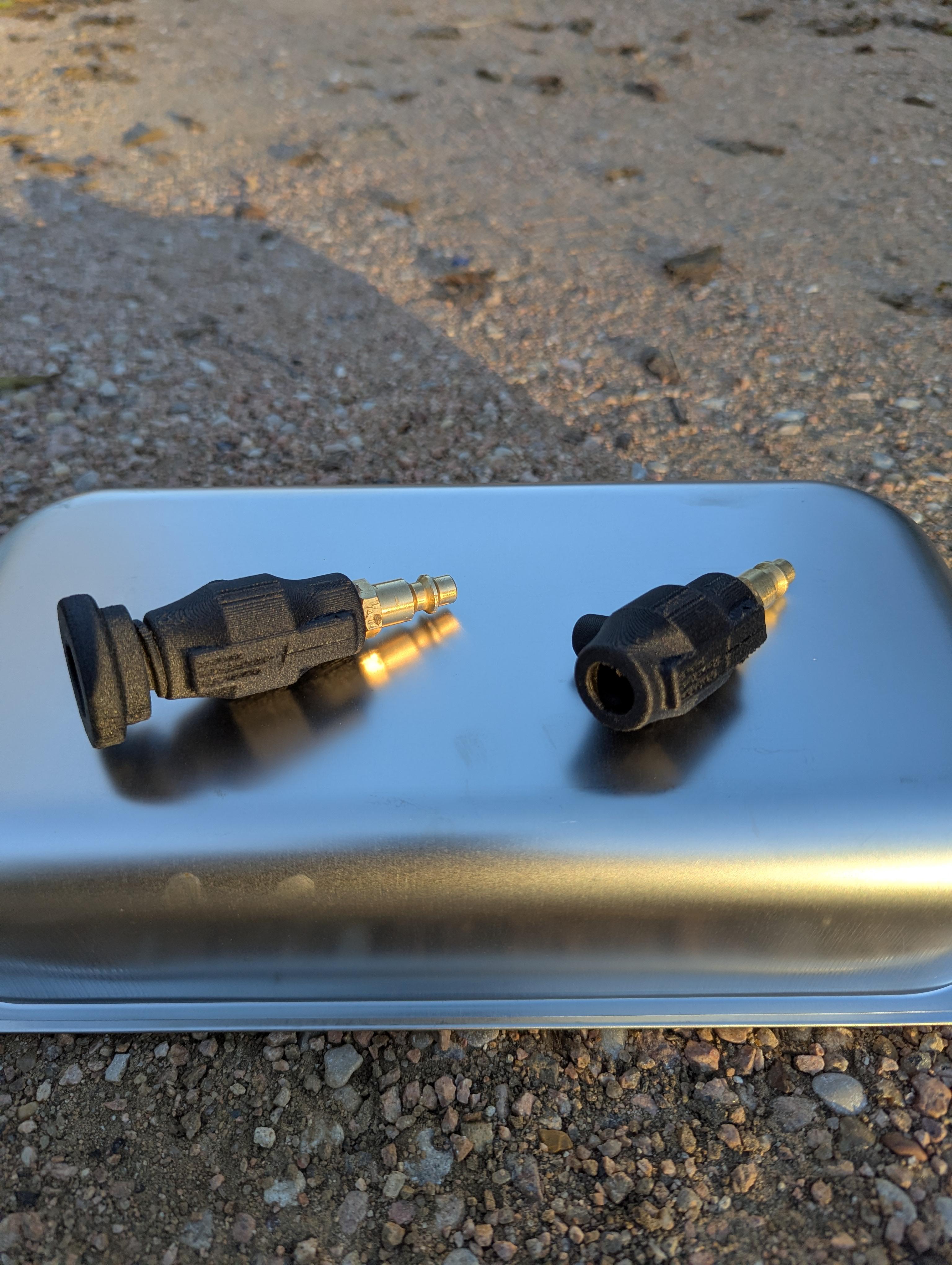
Pump-free water methanol injection via choked flow. The question was whether tank pressure alone could drive atomization at useful velocities. It can. Nine generations of internal geometry refinement. Currently under revision: the PPA-CF body is failing under hose clamp compression and heat creep. Earlier generations were PA12 CF.

ATOMIZER nozzle ATOMIZER Gen 7 and Gen 8 nozzles ATOMIZER internal nozzle geometry

File 03 · Past

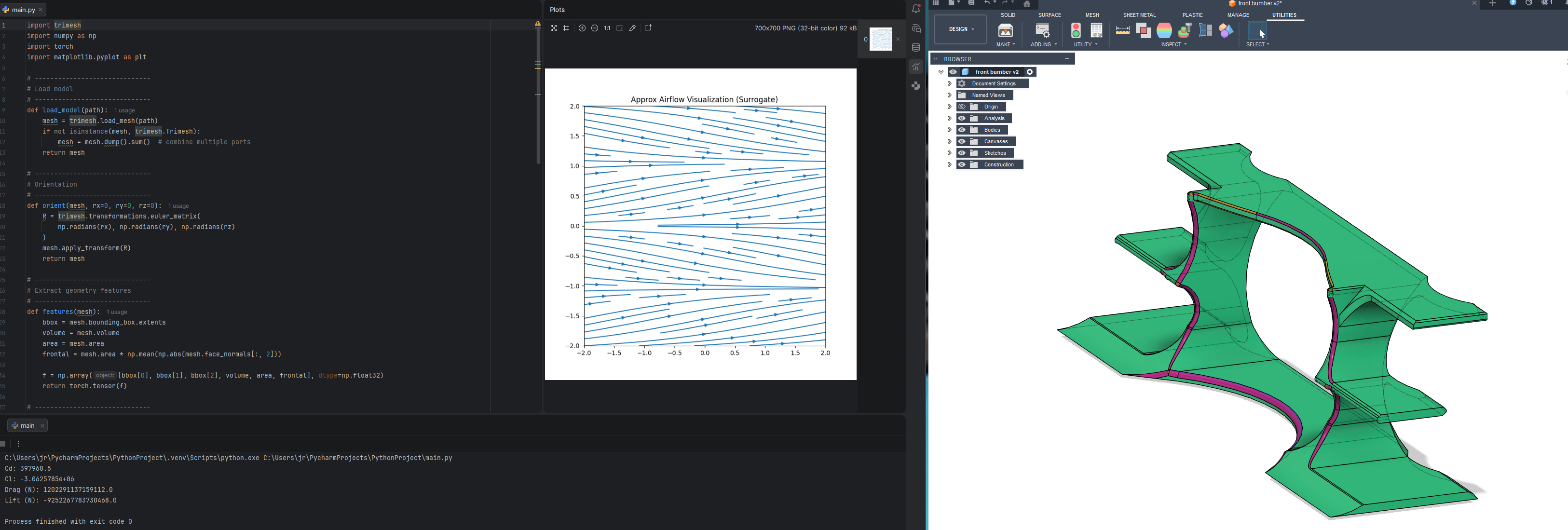
Custom CFD approximation using ray-cast geometry to derive drag coefficients, downforce estimates, and surface pressure heatmaps from STL files. Built because commercial CFD tools were inaccessible, not because the math was simple.

Raycasting aerodynamic solver — surface pressure heatmap output
Present

What's on the bench right now.

File 04 · Present · In The Field

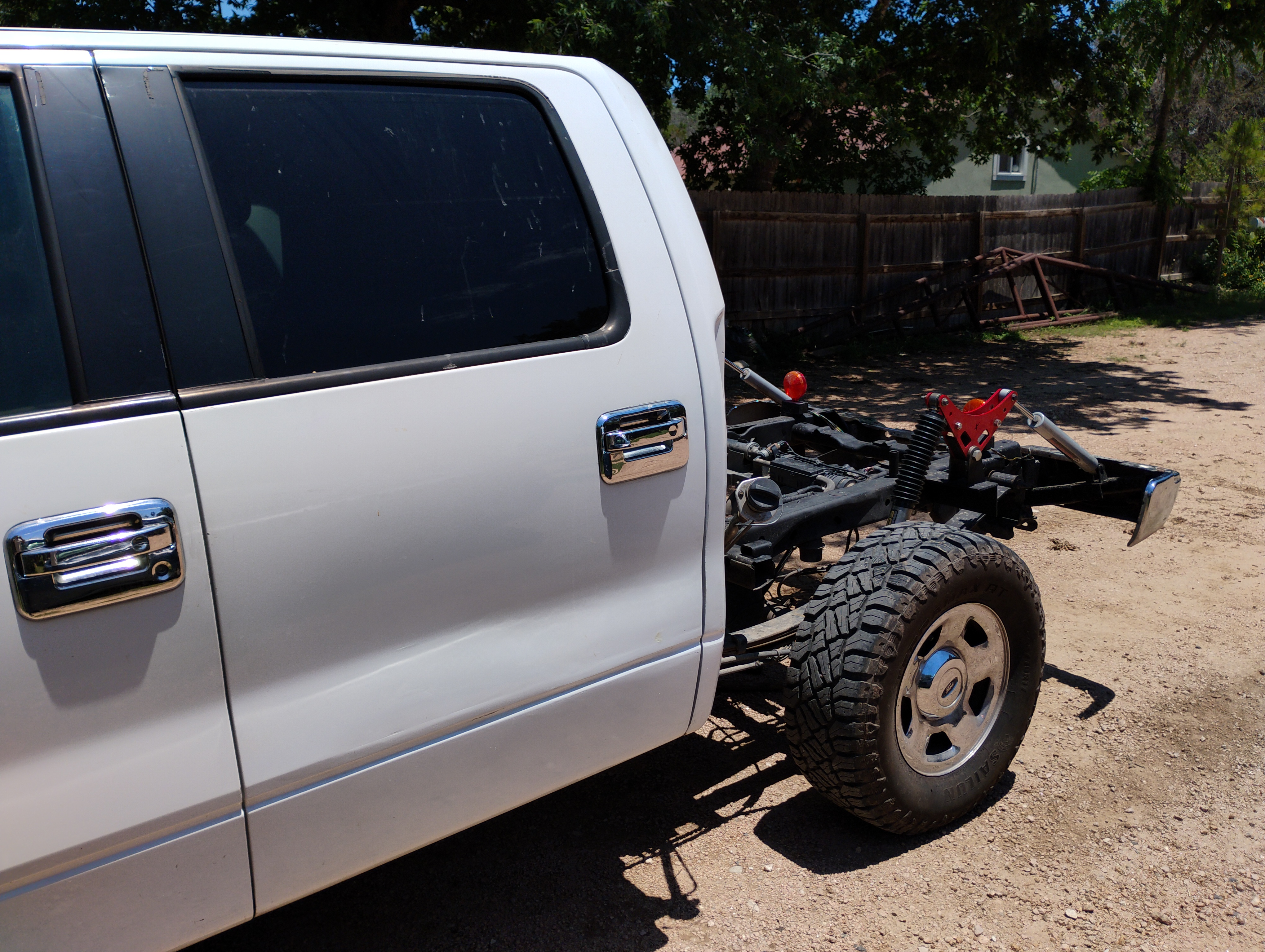
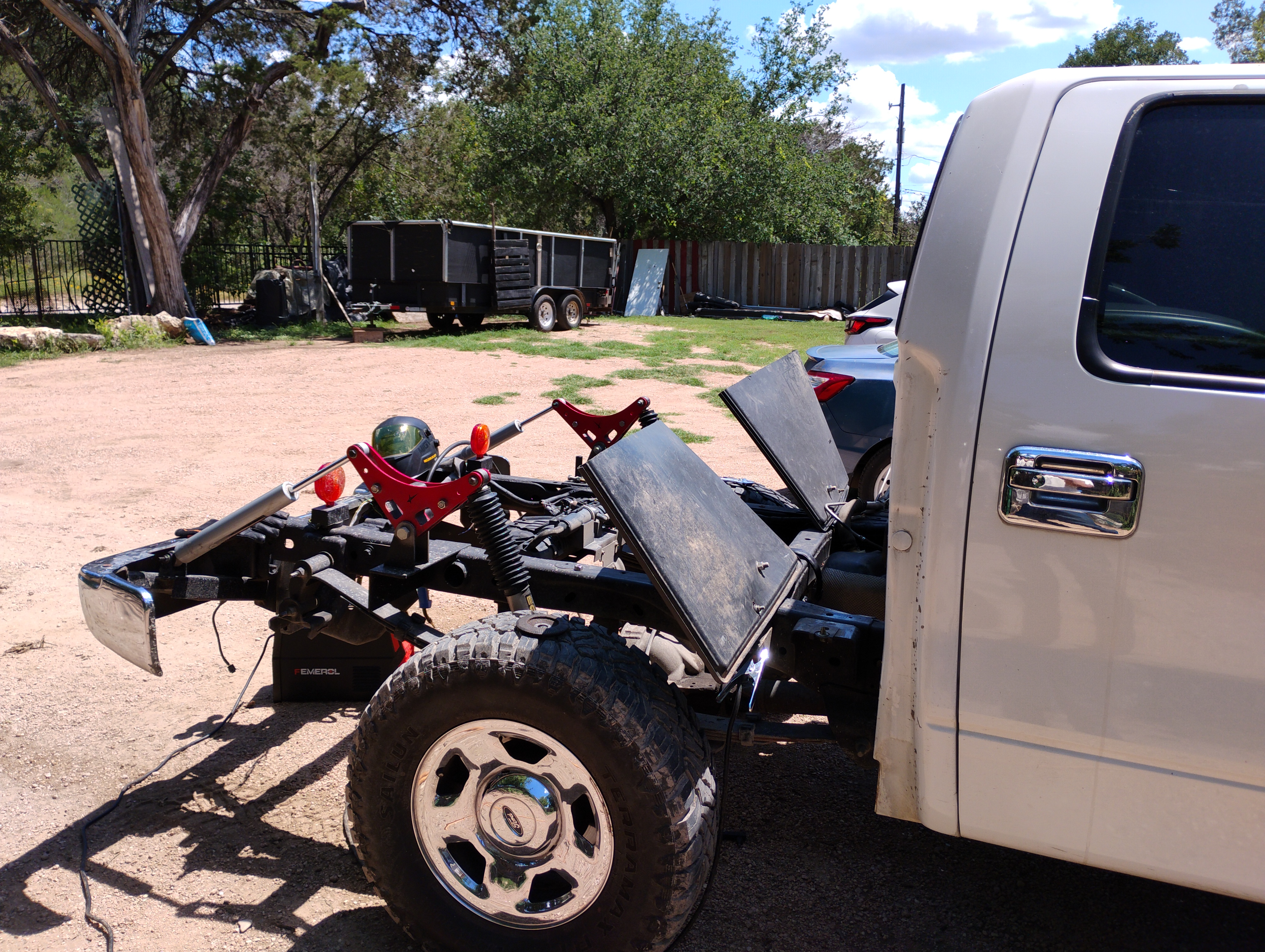
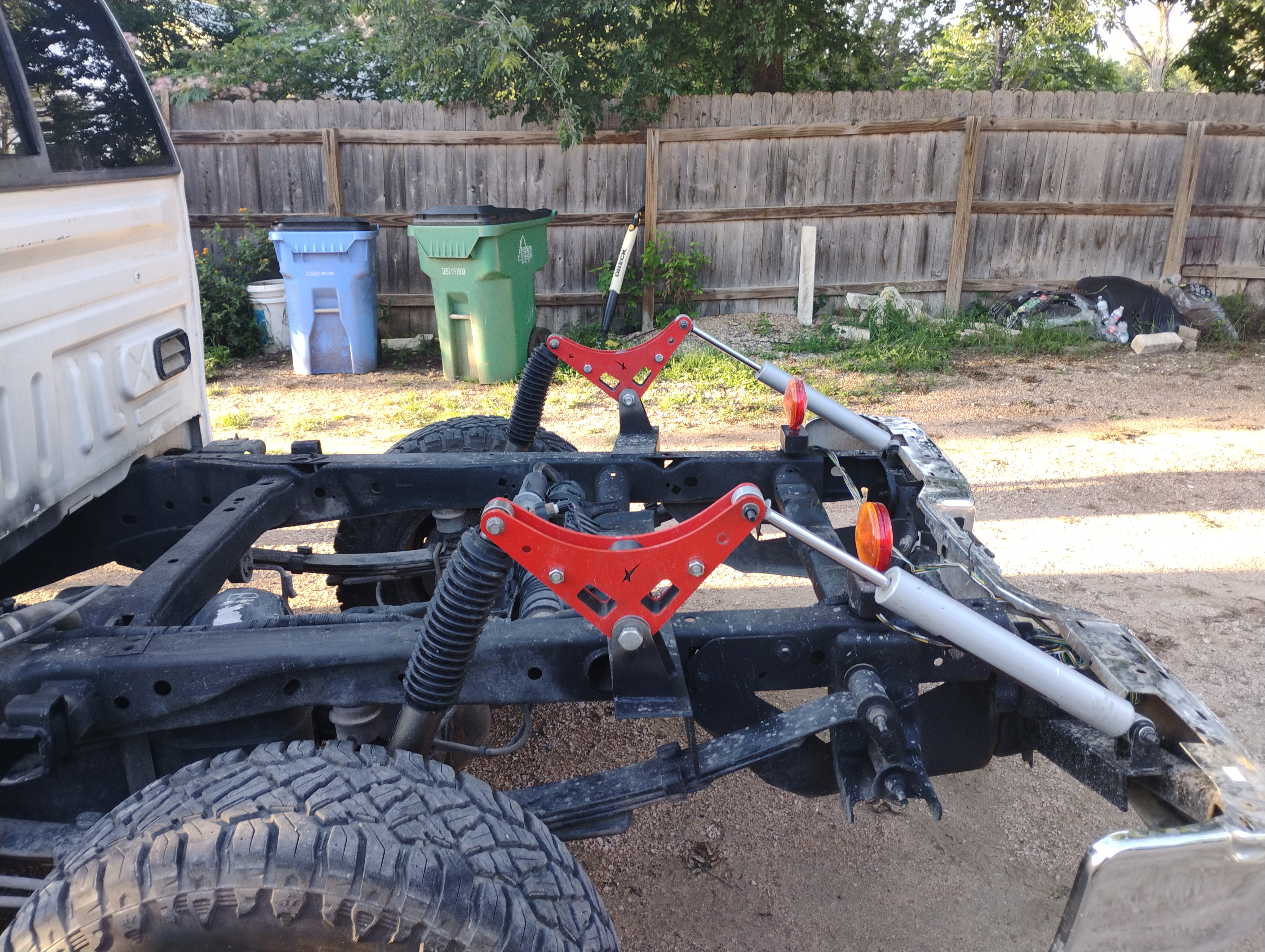
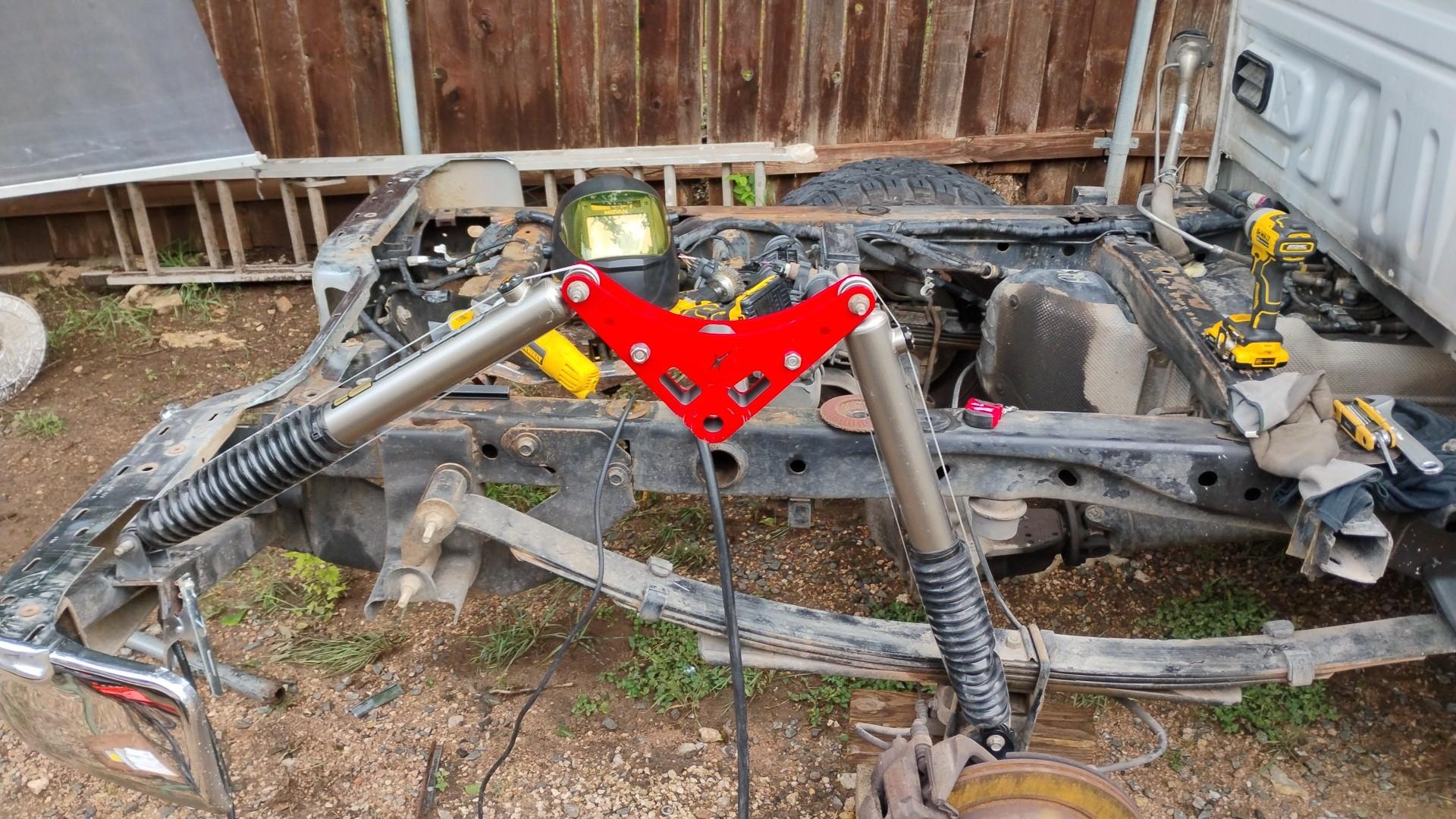
Dual tandem damper, pushrod-actuated rear suspension on a 2005 F150. Adjustable motion ratios. Rockers with a PA12 CF core between laser-cut steel plates, on bronze bushings. Built in four months on a $500 BOM. Validates the manufacturing method and the design philosophy before either gets applied to the UF-1. One damper blew on output — currently being rebuilt with in-house printed valve blocks.

The post-runner. Proof of method. A pushrod suspension system that doesn't exist anywhere else at this price point on this platform. The red rocker is PA12 CF. The dampers are tandem. The geometry is adjustable. It works.

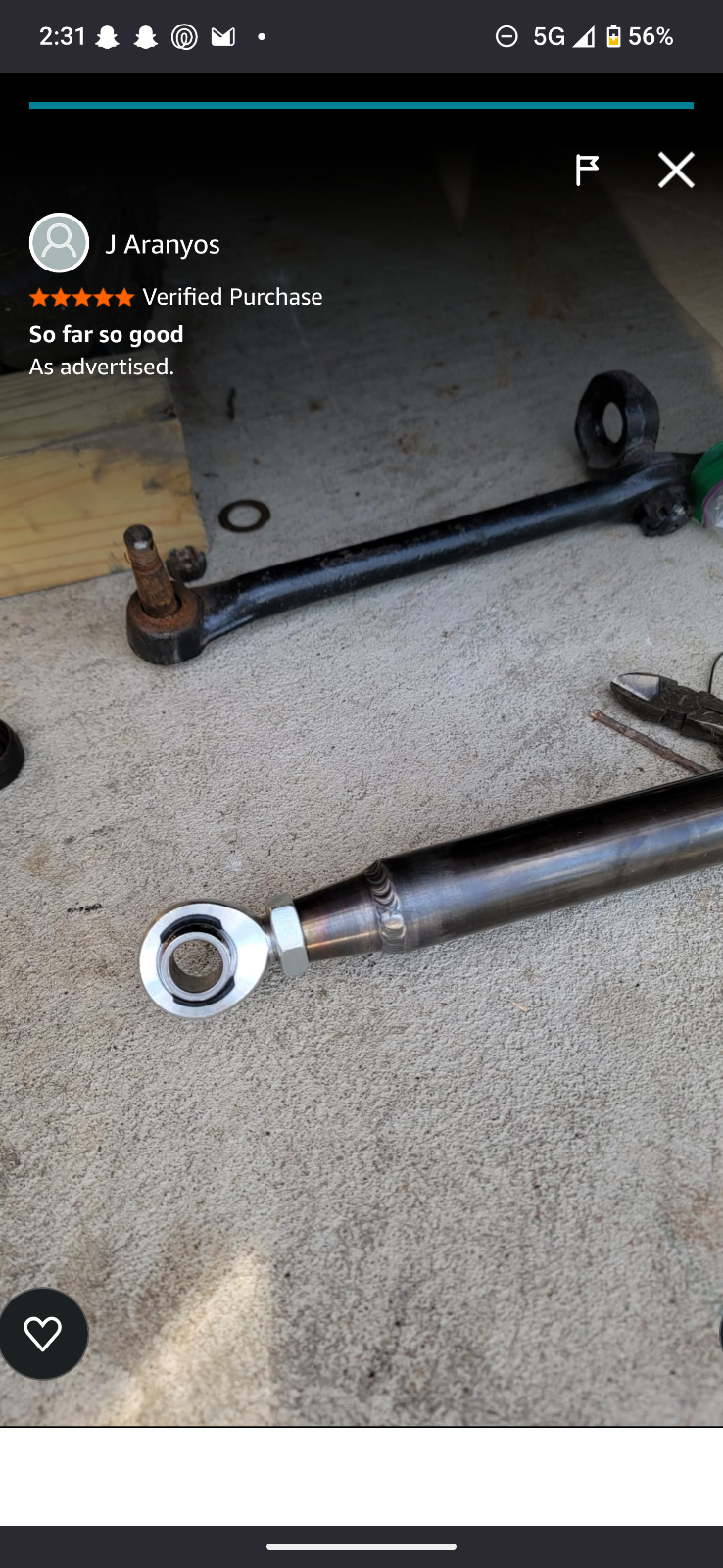
F150 post-runner pushrod suspension — rocker detail F150 post-runner pushrod suspension — rocker installed F150 post-runner pushrod suspension — assembly F150 pushrod suspension mockup — red PA12 CF rocker F150 post-runner traction bar weld

File 05 · Present

Born from the F150 build. A fully rebuildable monotube damper with a 3D printed flow-control valve block replacing a traditional shim stack. The geometry is the valving curve — adjustable by reprinting, not by sourcing. Donor bodies from the build. Matched pairs for tandem applications.

File 06 · Present

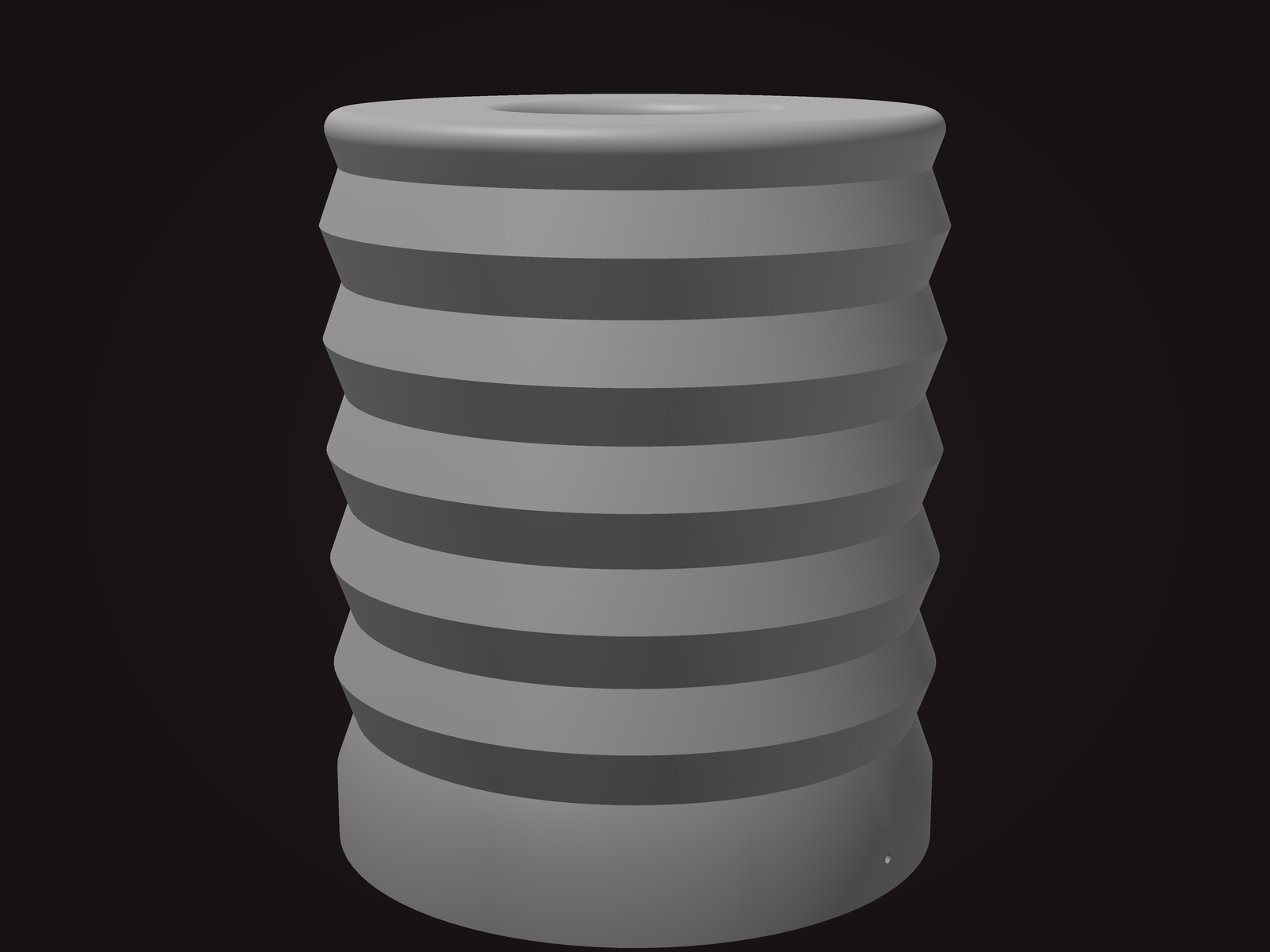
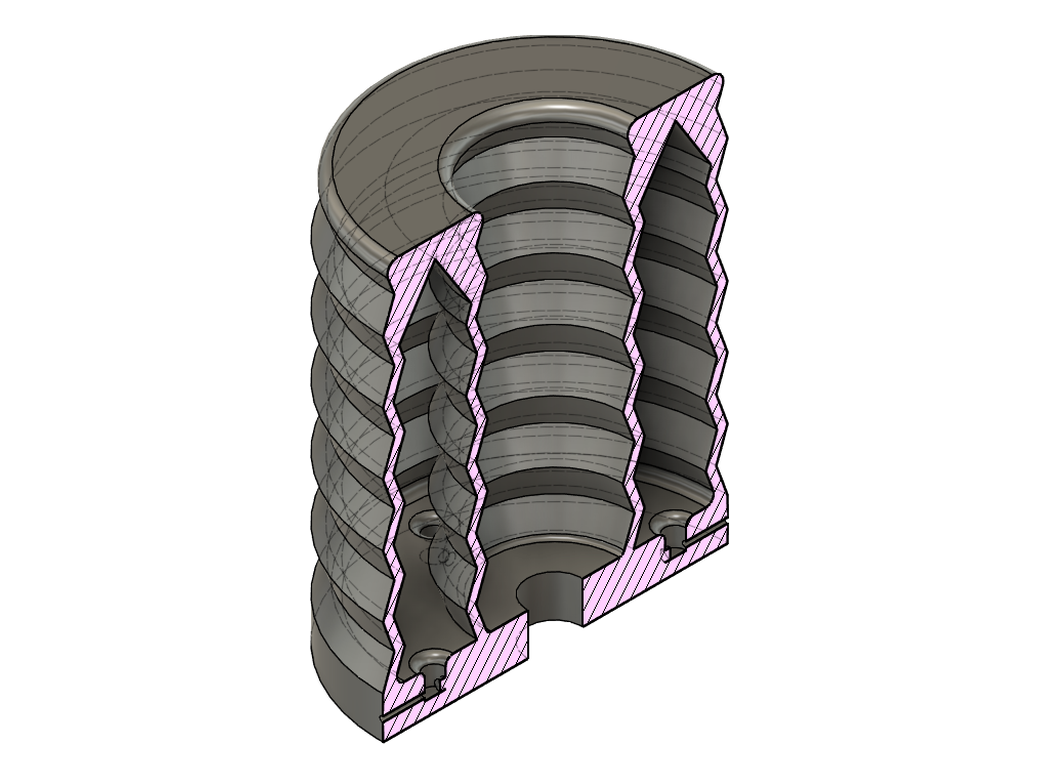
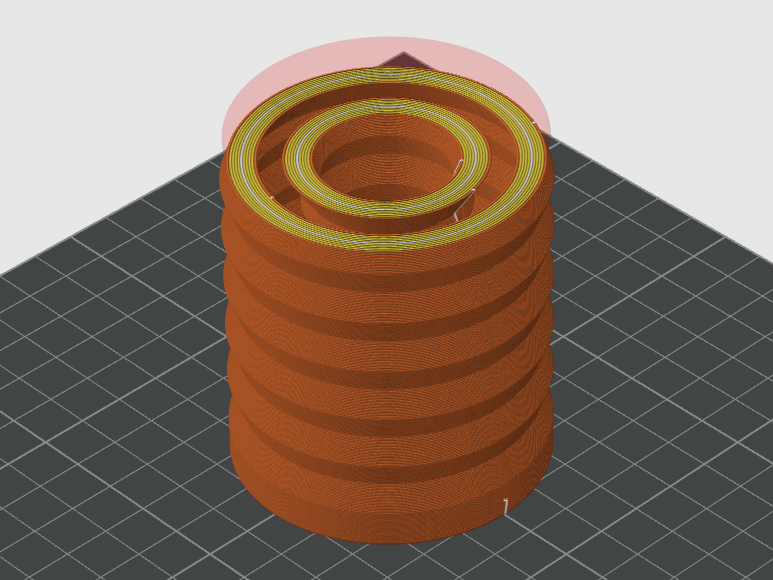
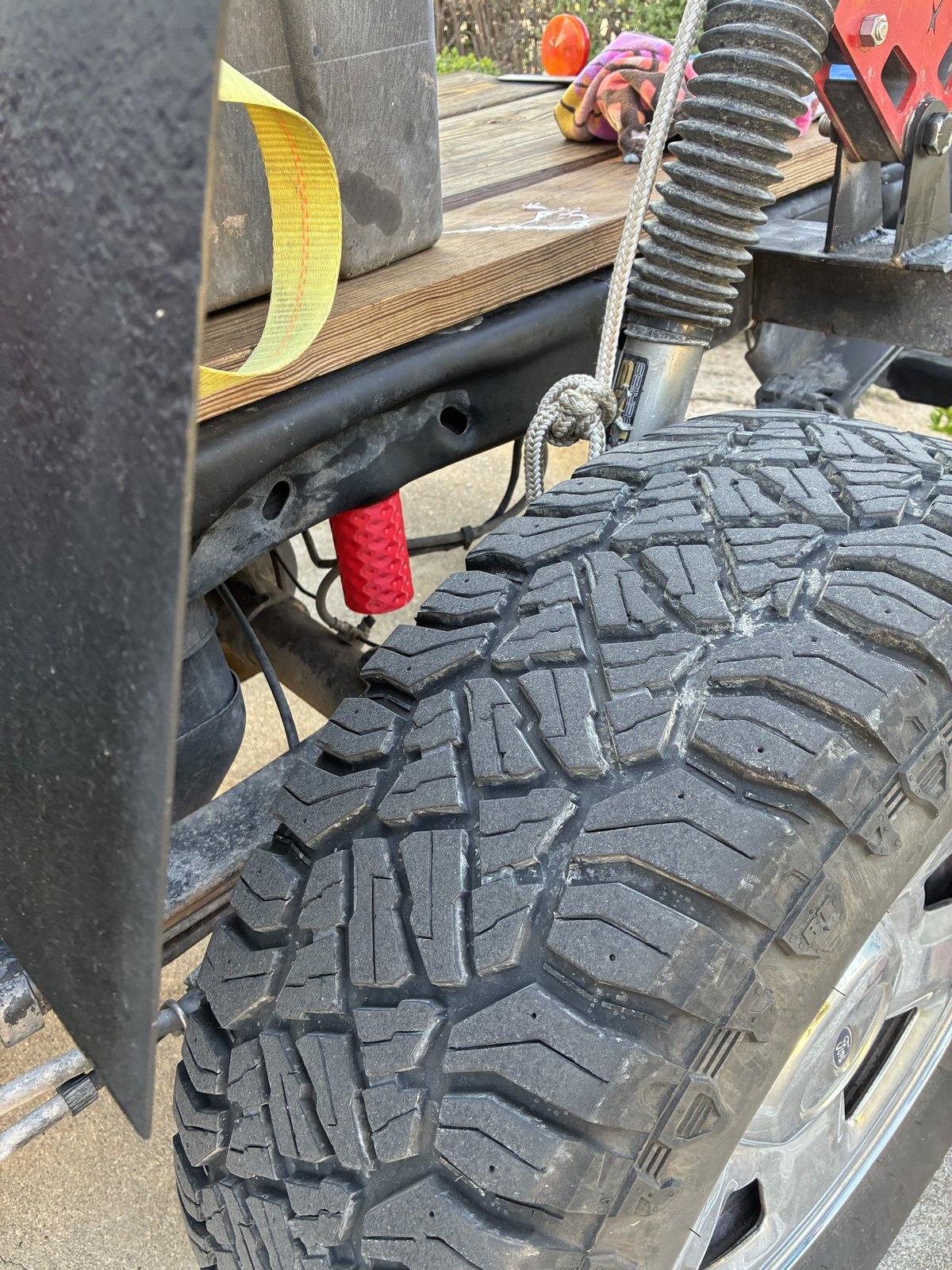
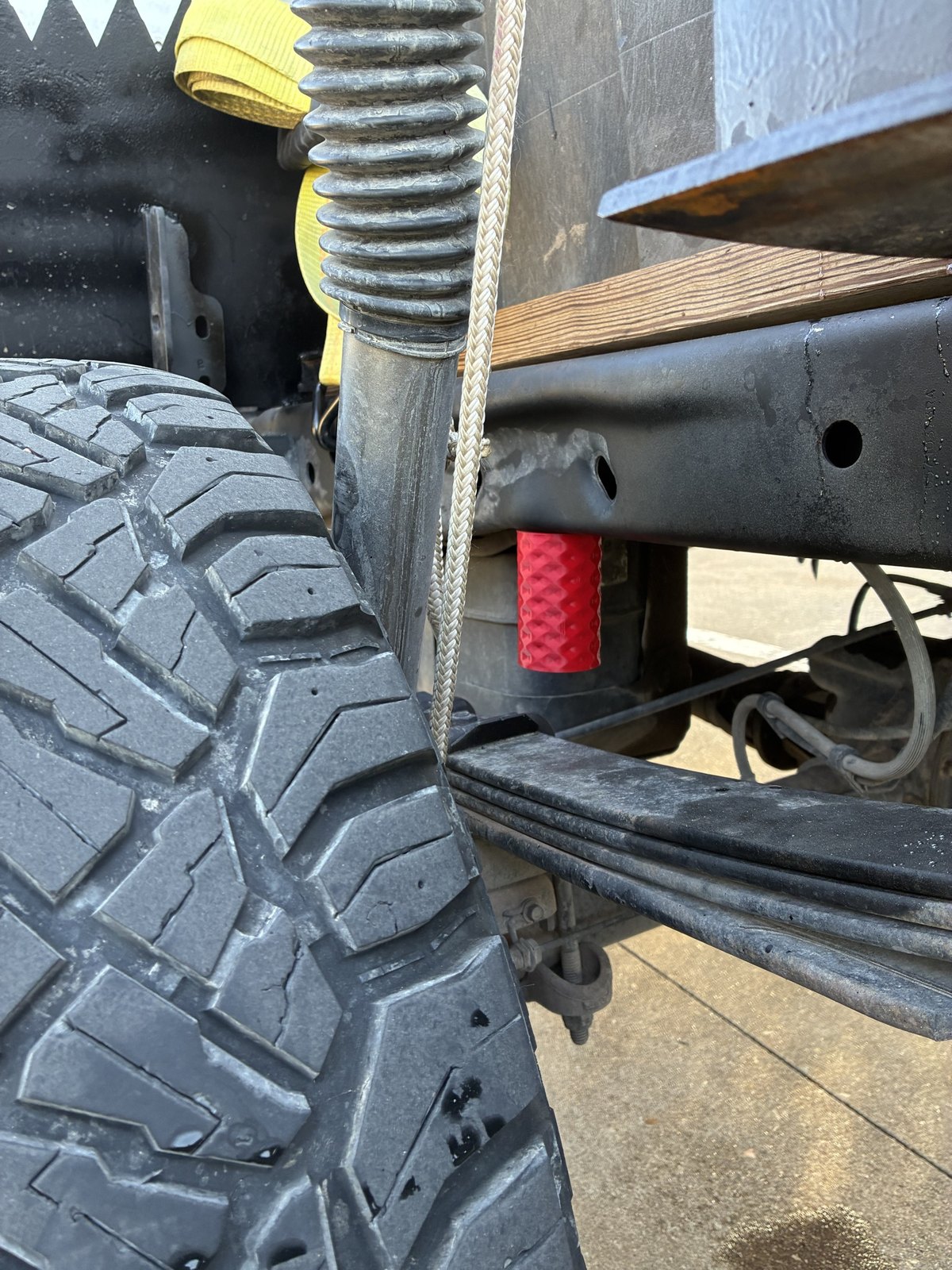
An air bump stop for the 11th and 12th gen F-150 (2004 to 2008 and 2009 to 2014) and the first-gen Raptor (2010 to 2014). Revisions 1 to 3 chased a staged response out of solid elastomer geometry, tuned by compound and profile, and rev 3 settled it: a softer compound in a simulation-tuned buckling geometry still would not buckle. The problem was architectural, not material. Rev 4 onward is pneumatic: a sealed TPU air chamber that vents as it compresses, so the response depends on compression speed rather than displacement alone. Rev 4 sealed its own vents during printing and came out far too hard. Rev 5 went too far the other way and flowed too freely. Rev 6 pulls the vent area back down, and it does what the architecture was chosen for: stiff on a fast hit, compliant on a slow one. Rev 7, a higher-durometer version, is in development. Rev 6 is now in hard road testing: jumps, whoops and washboard.

POLYSTOP air bump stop, ribbed cylindrical body on a flat mounting base POLYSTOP section view: corrugated wall around a central core, enclosing the sealed air chamber POLYSTOP prepared for printing, shown as stacked toolpaths on the build plate Early POLYSTOP prototype installed on the post-runner frame Early POLYSTOP prototype above the leaf pack, frame side Superseded early design: a solid buckling geometry, since retired Superseded early design, a shorter and stiffer variant
Future

Where this is going.

File 07 · Future

The reason this all started. A ground-up hypercar designed around driver experience, not economies of scale. DOM tube frame. In-house axial flux motors. A 2-stroke V8 with blow-diffuser scavenging, pulsejet assist, and compressed air supercharging. 3D printed carbon fiber and fiberglass body panels over printed molds. The F150 is the first proof of method. The UF-1 is the destination.

File 08 · Future

Proper shop space. Carbon fiber layup capability over printed molds. DOM frame fabrication. The manufacturing method is already defined — what's missing is the space to run it at scale.

File 09 · Future

Pedestals. Every part that failed and taught something. Every part that wasn't supposed to work and did. The third-gen catch can that broke on vacuum. The PETG shims that outlasted the theory. The rocker that cracked so we knew exactly where the limit was. These aren't the parts that build cars. These are the parts that build engineers.

The industry optimizes for the wrong variable. Smooth is not fast. Fast is fast.

This is where the work actually happens. The things worth building are usually the ones nobody has a business case for, so they get built here first and proven before they ever reach the shop.

Read the build logs →
Sanchez Performance decal — Smooth is not fast. Fast is fast.

GET IN TOUCH

[email protected]

For R&D inquiries, collaboration, or anything else that doesn't fit a form.