AUSTIN, TEXAS · BUILD LOGS · PUBLISHED PUBLICLY

The failures are the data.

Every product here started as a failure. This is where we write them down. The iterations are the work — and the build logs are public.

Read the Substack
The industry optimizes for the wrong variable. Smooth is not fast. Fast is fast.

Sanchez Labs exists because the things worth building are usually the things nobody has a business case for. Every product here started as a problem that wasn't worth solving — until someone decided it was.

This is documented publicly because the process is the point. The failures are data. The iterations are the work. If you want to understand what this is, read the build logs.

What broke, and what it taught us.

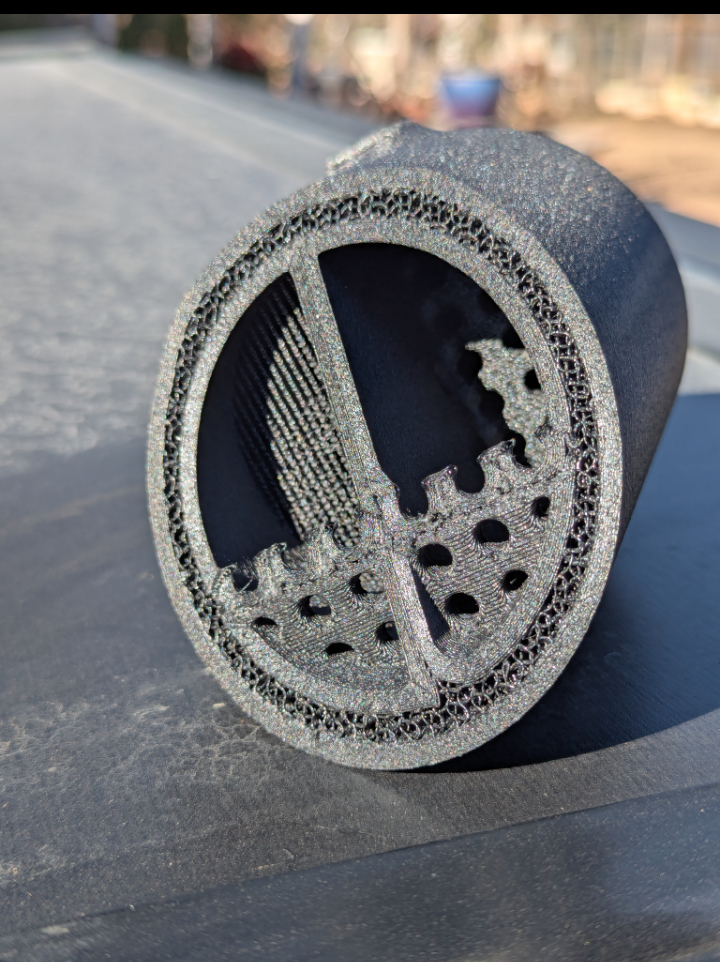
PRESION catch can internal baffle geometry

PRESION · Five Generations

The catch can that failed on infill

Started as a vacuum-holding problem nobody had solved in PA12 CF at this geometry. Third generation failed on infill. The failure forced the breakthrough — overextrusion sealing, microporosity elimination, print-in-place barb geometry. Five hardware generations. Now ships.

Read more on Substack
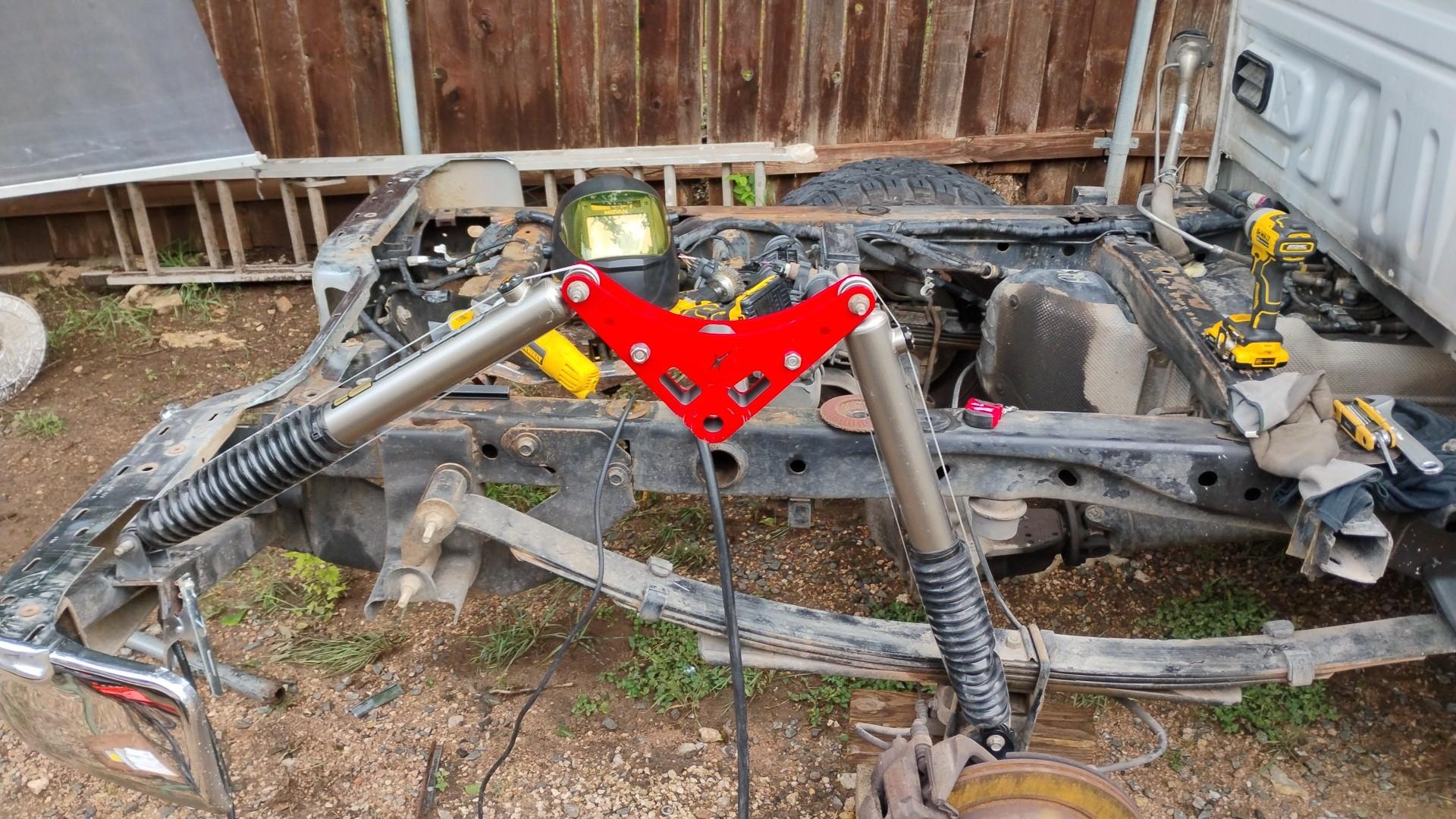
F150 post-runner pushrod suspension rocker

F150 Post-Runner · Damper Rebuild

A pushrod suspension on a $500 BOM

Dual tandem damper, pushrod-actuated rear suspension on a 2005 F150. Adjustable motion ratios. Laser-cut PA12 CF composite rockers with bronze bushings. Built in four months on a $500 BOM. One damper blew on output — currently being rebuilt with in-house printed valve blocks.

Read more on Substack
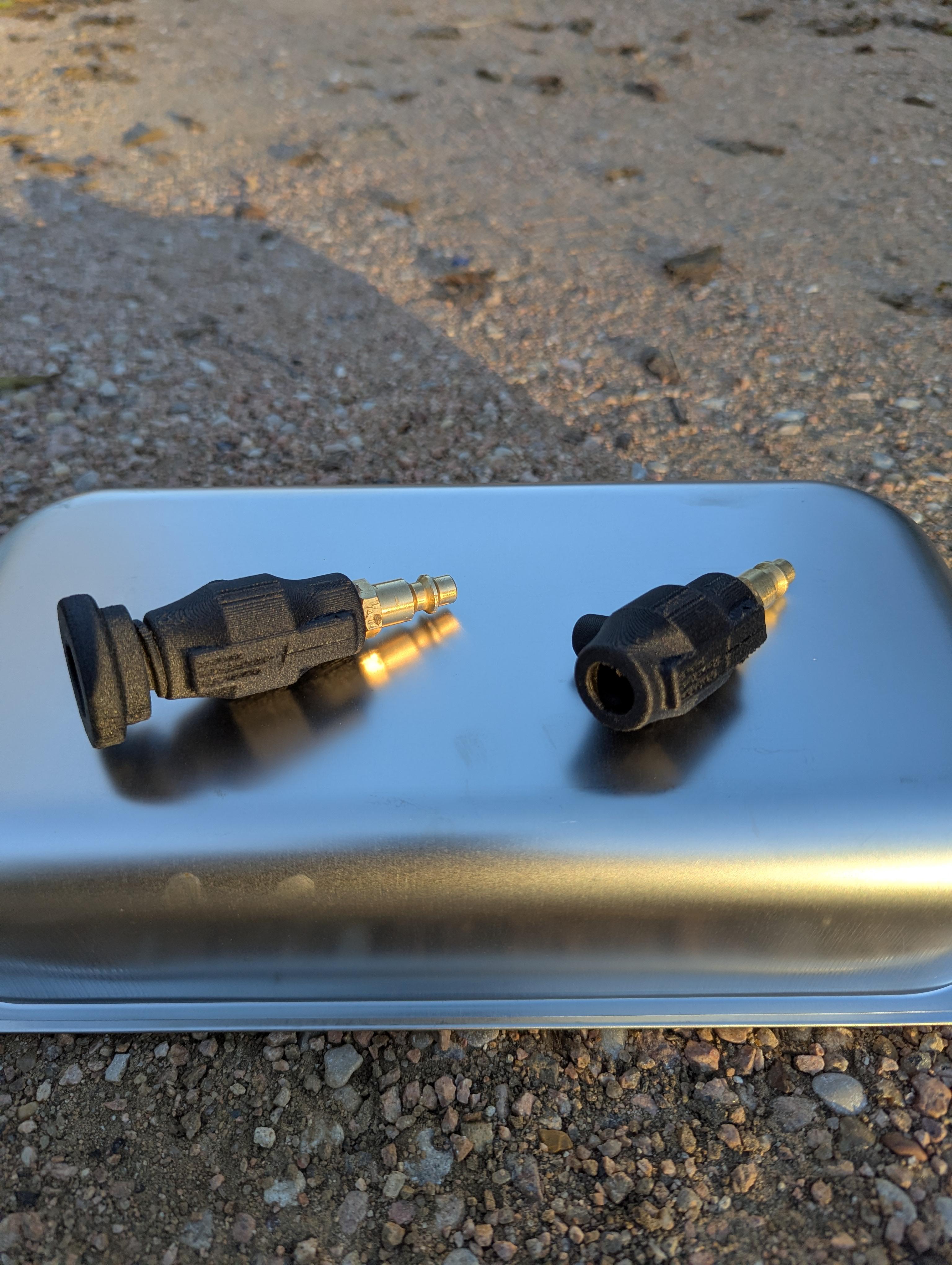
ATOMIZER water methanol injection nozzles — Gen 7 and Gen 8

ATOMIZER · Nine Generations

Atomization with no pump

Pump-free water methanol injection via choked flow. The question was whether tank pressure alone could drive atomization at useful velocities. It can. Nine generations of internal geometry refinement. Currently under revision — PPA failing under hose clamp compression and heat creep. PA12 CF next.

Read more on Substack
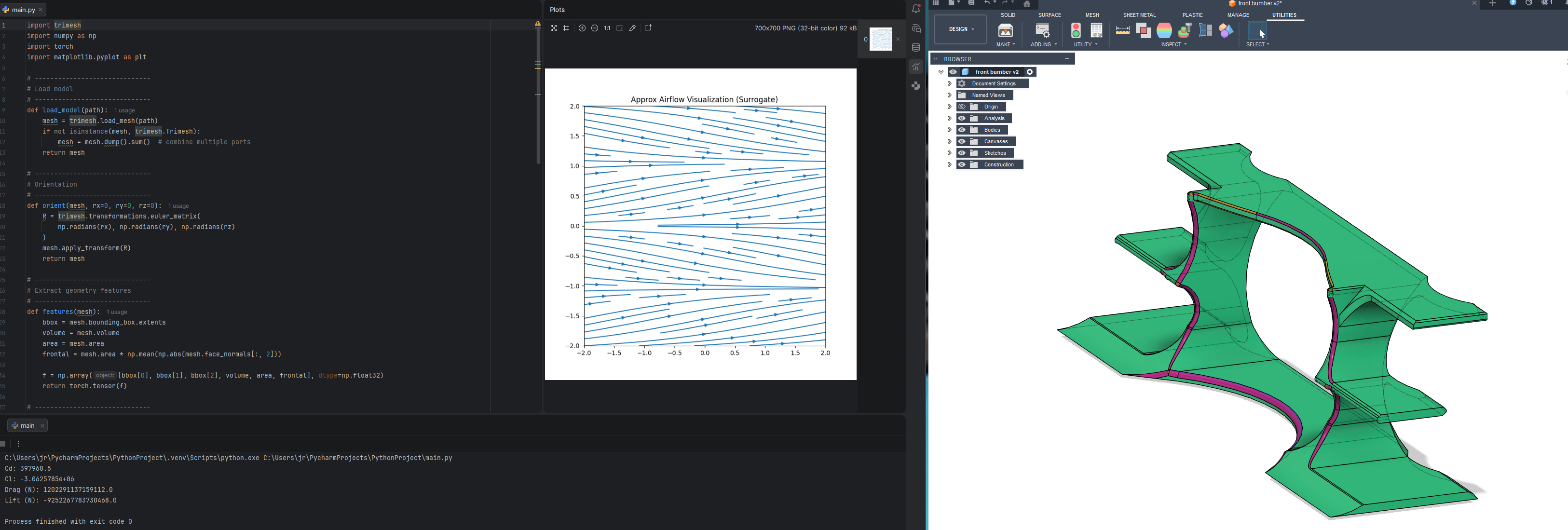
Raycasting aerodynamic solver pressure heatmap

Raycasting Solver · Validated

Building CFD when the tools were locked away

Custom CFD approximation using ray-cast geometry to derive drag coefficients, downforce estimates, and surface pressure heatmaps from STL files. Built because commercial CFD tools were inaccessible, not because the math was simple.

Read more on Substack

The full story is on Substack.

The build logs are written as they happen — the failures, the revisions, and the parts that weren't supposed to work and did. If you want to understand what this is, that's where it lives.

Read the Substack